 NinetySix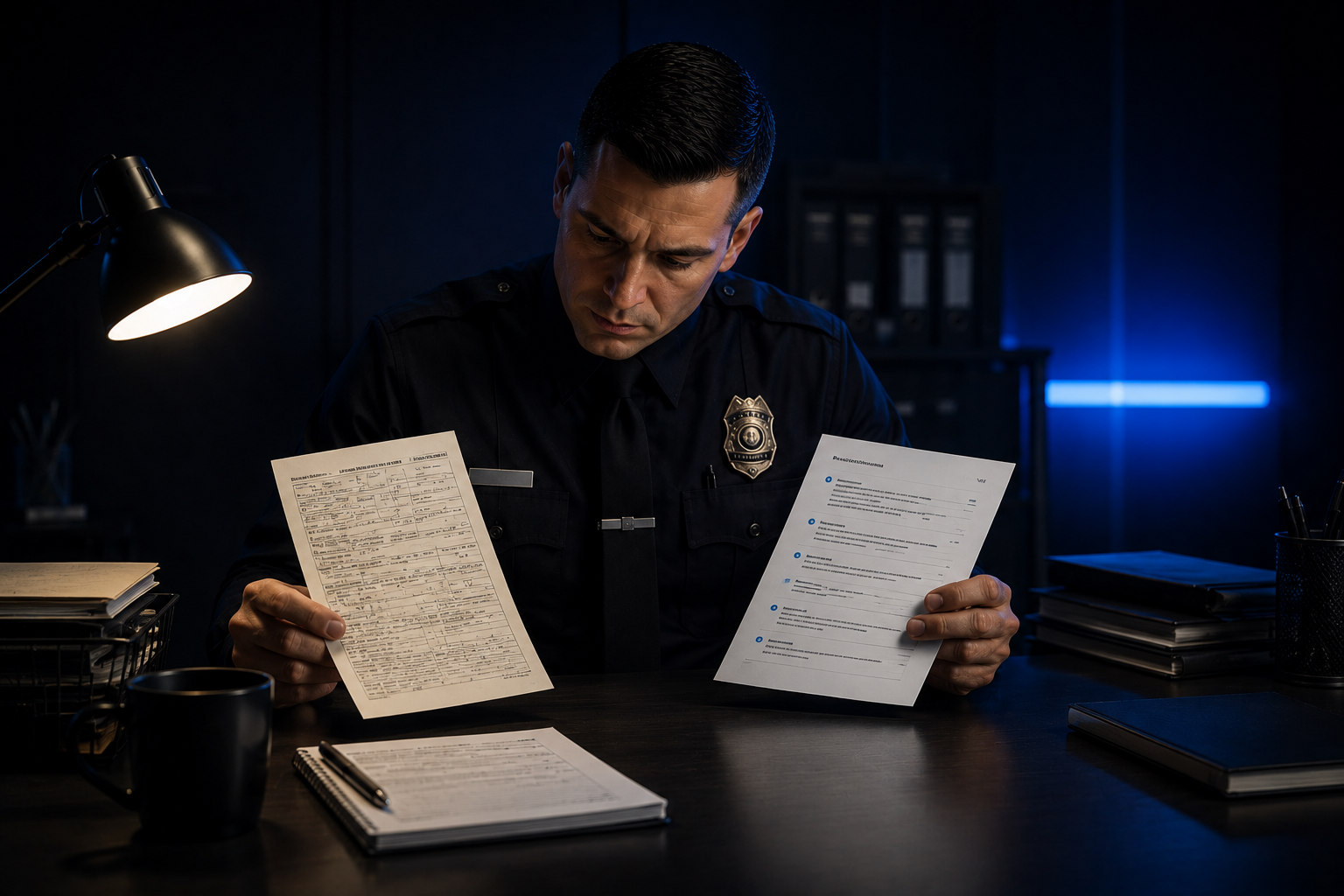
Traffic officers handle many responsibilities every day. They stop vehicles, issue summons, and later prepare court testimony. At first, a summons may look complete. However, it is not enough for the court. A Court Ready Testimony requires more detail, better structure, and a clear explanation.
Many officers believe that writing a good summons is enough. But in reality, the court needs more than basic information. It needs a full story. In this guide, you will learn the difference between a good summons and a court-ready testimony, and how tools like Ninetysix make this process simple and fast.
What Is a Good Summons?
A summons is the first step in any traffic case. It is written during a traffic stop and includes basic information about the violation. It is quick, short, and focused on key facts.
A good summons includes details like the date, time, location, and violation code. For example, in traffic court testimony, the summons helps identify the violation. However, it does not explain how the incident happened. It only records the event in a brief way. Officers often write a summons quickly because they are working in real-time. While it is important to make it accurate, it is still limited in detail. That is why a summons alone is not enough for the court.
What Is a Court Ready Testimony?
A Court Ready Testimony is a complete and structured explanation of the incident. It is used in court to support the summons and explain the situation clearly.
Unlike a summons, testimony includes step-by-step details. It explains what the officer observed, what actions were taken, and why the violation occurred. Many officers use a TVB testimony sample to understand how to format their statement properly.
A court-ready testimony tells the full story. It connects all the facts clearly and logically. This helps the judge understand the case without confusion.
Key Difference Between Summons and Testimony
The difference between a summons and a testimony is simple but important. A summons is short and basic, while a testimony is detailed and structured.
A summons only records the violation. It does not explain the situation fully. On the other hand, a Court Ready Testimony provides a complete explanation with proper formatting.
For example, in Traffic violation testimony NY, the court expects more than just a violation code. It expects a clear description of what happened. This is where testimony becomes essential.
Why a Good Summons Is Not Enough
A good summons is important, but it cannot stand alone in court. It does not include enough detail to explain the full situation.
The court needs to know how the violation happened. It needs a clear sequence of events. A summons does not provide this level of detail. It only gives a quick summary.
Without proper testimony, even a strong case can become weak. That is why officers must convert a summons into a Court Ready Testimony before going to court.
From Summons to Court Ready Testimony
Turning a summons into a complete testimony can be challenging. Traditionally, officers write everything manually. They try to remember details and organize them into a proper format.
This process takes time. It also increases the risk of errors. Officers may forget small details or write unclear statements.
Now, with tools like Ninetysix, this process becomes simple. Officers can quickly convert a summons into a structured and accurate Court Ready Testimony without stress.
How Ninetysix Bridges the Gap
Ninetysix is designed to help officers work smarter. It turns a simple summons into a clear and structured testimony within seconds.
Instead of writing everything manually, officers can use the app to generate a complete statement. This is very useful for cases like VTL 1110a testimony and VTL 1111d1 testimony, where accuracy is very important. The app also ensures proper formatting. It organizes the testimony into sections like introduction, observation, action, and conclusion. This makes the statement easy to read and understand.
Built-in Violation Code Support
Understanding violation codes is very important for officers. Ninetysix makes this easy with built-in tools.
Officers can use features like the NY summons code lookup and the NY traffic code search to find the correct codes quickly. They can also read an NY violation code explanation to understand the details of each violation. This helps officers avoid mistakes and improve the quality of their testimony. It also saves time during and after a car stop.
Real-Time Use During Car Stops
One of the biggest advantages of Ninetysix is that it works in real time. Officers can use it during a car stop to check details instantly.
They can search violation codes, confirm information, and prepare for testimony on the spot. This is very helpful in cases like Traffic Rule 4-03(a)(1) testimony, Failure to yield NY testimony, and Improper turn NY testimony. This real-time support reduces pressure and helps officers stay accurate and confident.
Overtime Tracking for Officers
Ninetysix also helps officers manage their time. Many officers work extra hours, and keeping track of overtime can be difficult.
With Ninetysix, officers can record their overtime easily. They can track their extra work hours and keep proper records.
This feature is very useful because it helps officers stay organized without using separate tools.
What Makes a Testimony Court Ready
A Court Ready Testimony must be clear, simple, and well-structured. It should include all important details and follow a logical order.
The language should be easy to understand. Sentences should be short and direct. Officers should explain events step by step using transition words like “First,” “Then,” and “Finally.”
The testimony should also include accurate information such as time, location, and actions taken. A professional tone is important. The goal is to make the statement clear and reliable.
Common Mistakes Officers Make
Many officers make simple mistakes when preparing testimony. One common mistake is relying only on the summons. A summons does not provide enough detail for the court.
Another mistake is writing from memory. This can lead to missing important facts. Poor structure is also a problem because it makes the testimony hard to understand.
Some officers use complex language, which creates confusion. Simple and clear writing is always better.
Manual vs Smart Approach
The manual approach takes time and effort. Officers write testimony from scratch, search codes separately, and organize everything themselves. This increases the chance of errors.
The smart approach uses tools like Ninetysix. Officers can convert a summons into Court-Ready Testimony instantly. The app provides structure, accuracy, and speed.
This modern method saves time and reduces stress. It allows officers to focus on their duties rather than on paperwork.
Why Officers Need Smart Tools Today
Traffic enforcement is becoming more demanding. Officers handle many cases daily. They need tools that support their work and improve efficiency.
Ninetysix is built specifically for officers, not departments. It helps them manage testimony, violation codes, and overtime in one place.
From car stop to courtroom, Ninetysix provides a complete solution. It makes the entire process faster, easier, and more accurate.
Conclusion
The difference between a summons and a Court Ready Testimony is clear. A summons is just the starting point, while testimony is the complete story needed for the court.
Officers who rely only on summons may face challenges. However, with the help of Ninetysix, they can easily create accurate and structured testimony.
By using smart tools, officers can save time, reduce errors, and improve their performance. Ninetysix helps officers move from summons to testimony quickly and confidently.
If you want to simplify your work and create accurate testimony in seconds, it’s time to use a smarter solution. Ninetysix helps you generate court-ready statements, search violation codes, and track overtime all in one place. Start working faster and smarter today.
For more updates and details, visit our Instagram Page!